
Getting fit for the trail: how to arrive ready without becoming an athlete
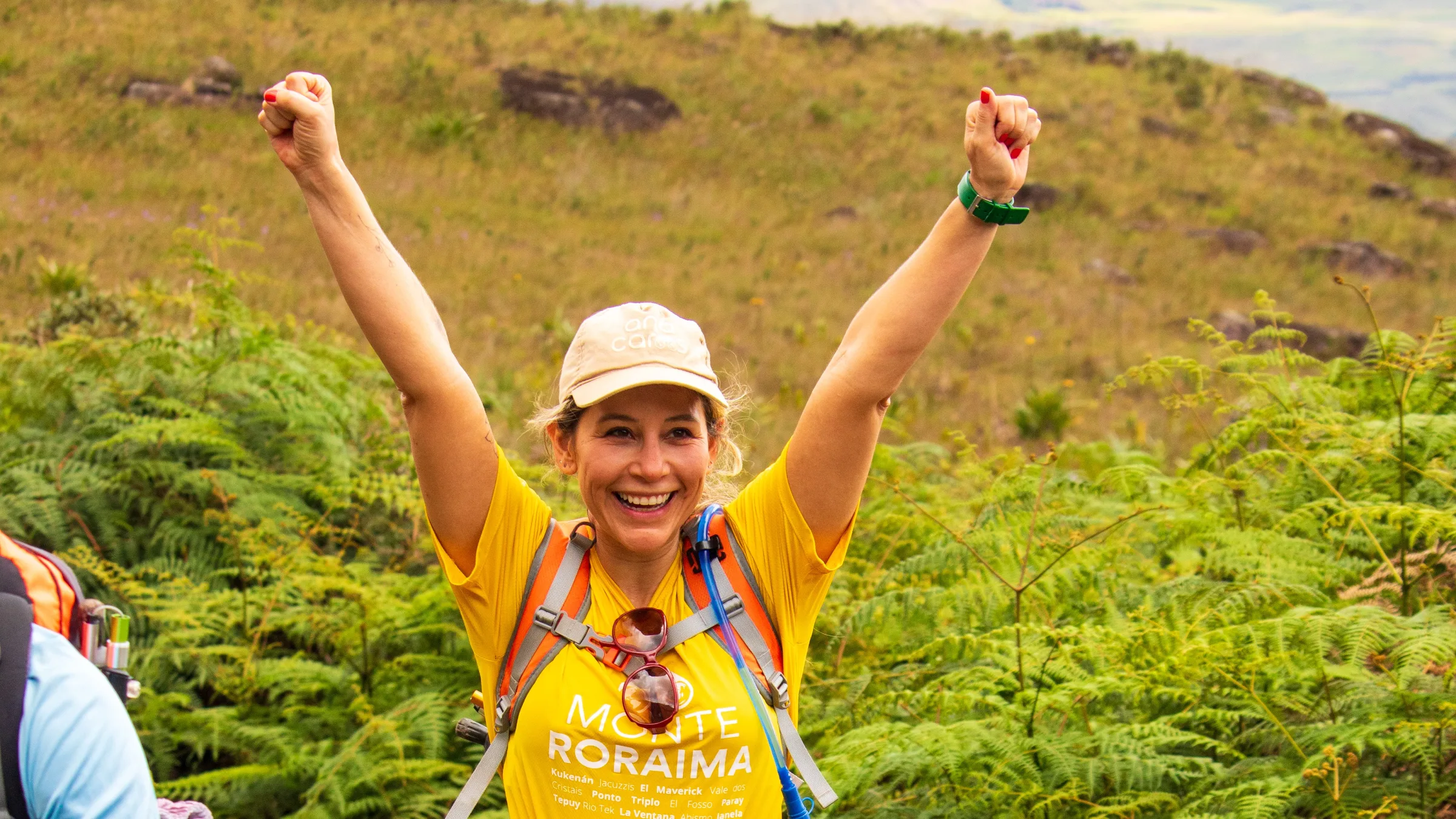
Hey there, how's it going?
I'm going to start where people rarely start: you do not need to be an athlete to experience a group expedition. Not even close. You just need to arrive with your body reasonably ready to walk for a few hours without suffering, and honestly, that's much more achievable than it sounds.
Good news number one: you can do it in 6 to 8 short weeks, even if today your "official sport" is climbing stairs to the second floor huffing and puffing. We've seen it all, and everyone made it through.
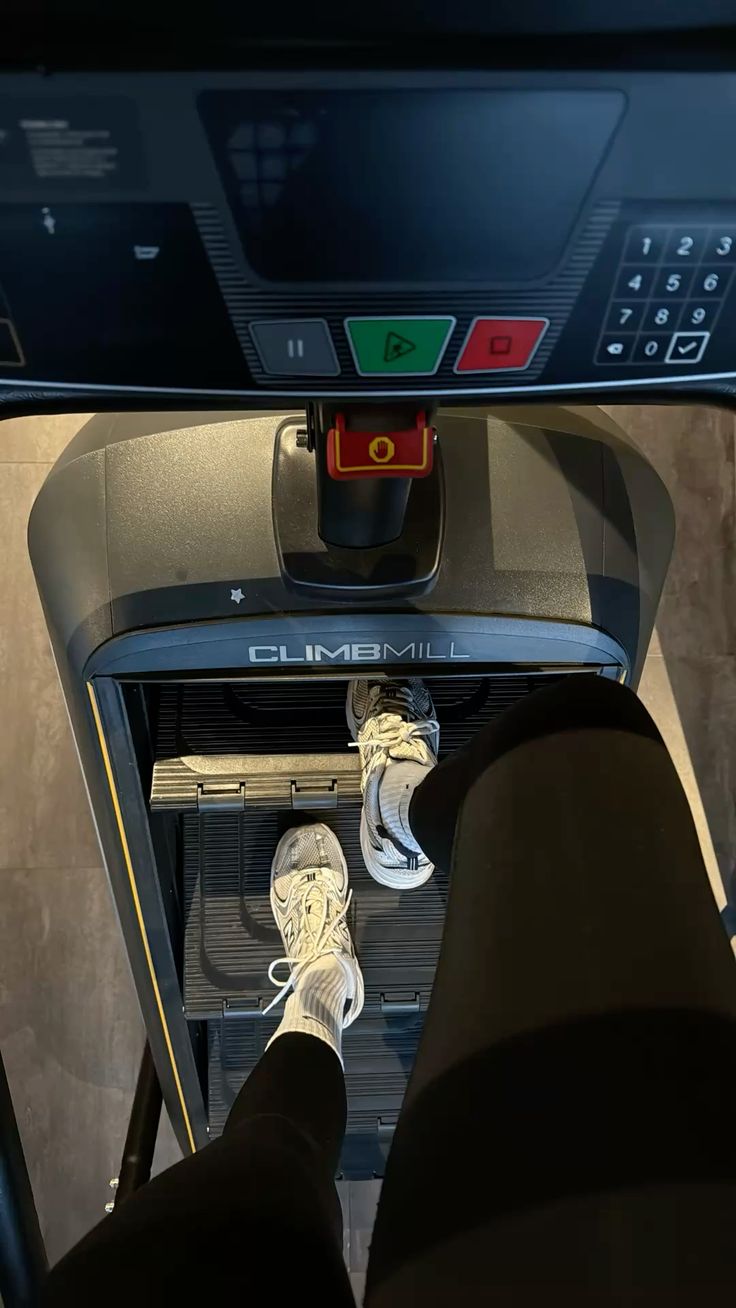
What the trail really asks of you
Most of our expeditions involve hikes of 2 to 6 hours a day, on uneven terrain (rocks, sand, roots, waterfalls, a surprise extra steep bit). The energy burn isn't crazy high, it's steady. Your body needs to be able to REPEAT the effort the next day, and the next, and the next, without turning into a drama.
Translated with care: cardio endurance + legs + core + firm ankles. No bodybuilding-worthy muscle building required.
The 6-week plan (stay calm, no drama)
Weeks 1 and 2: getting moving again
- 3x/week, 30 minutes of walking at a comfortable pace (the kind where you can still chat without getting out of breath).
- 2x/week, 15 minutes of simple strengthening (squats, planks, calf raises).
Weeks 3 and 4: building up volume, step by step
- 3x/week, 45 minutes of walking, one of them WITH an incline (park, hill, inclined treadmill).
- 2x/week, 20 minutes of strength + 10 minutes of ankle and hip mobility.
Weeks 5 and 6: simulating the actual trail
- 1 long walk per week (1h30 to 2h) carrying your daypack, yes, with actual weight in it.
- 2 short walks + 2 strength sessions + 1 active rest day (yoga, swimming, a nice stroll).
If you already work out, scale it up without hesitation. If you're starting from scratch, start lighter, and absolutely no guilt, okay?
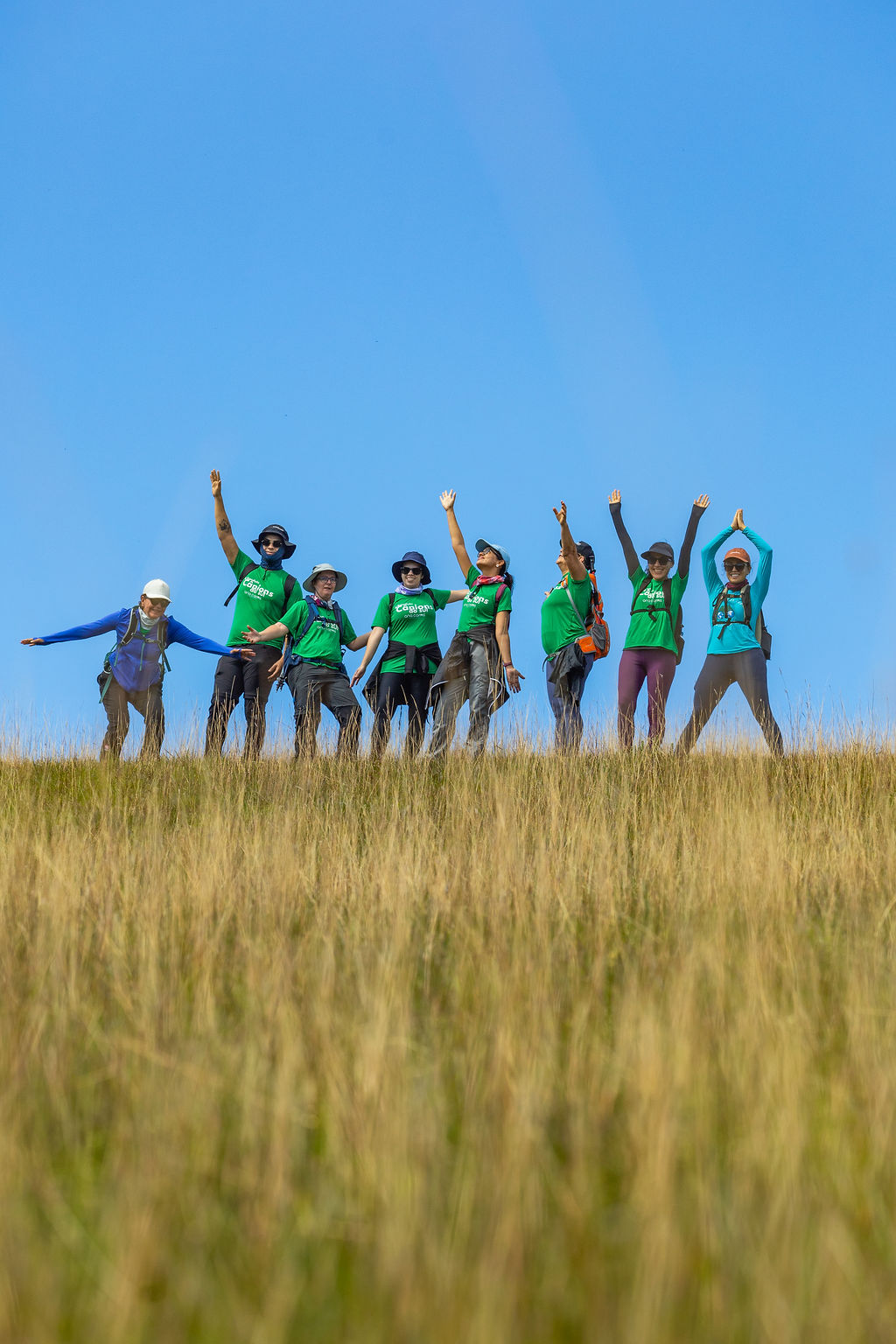
The 4 exercises worth their weight in gold
- Bodyweight squats, going up and down rocks all day is basically just this.
- Plank, 3x 30s. Your back will thank you on long descents.
- Calf raises, anyone who has hiked Chapada Diamantina knows what we're talking about.
- Step-ups (stepping onto a bench), the exercise closest to actual hiking.
The detail almost nobody trains for
GOING DOWN. Everyone thinks about climbing, but descending is what wrecks knees. On your walks, find a hill and go down slowly, controlling your stride. Your quadriceps will complain. That's totally normal, a sign that it's working.
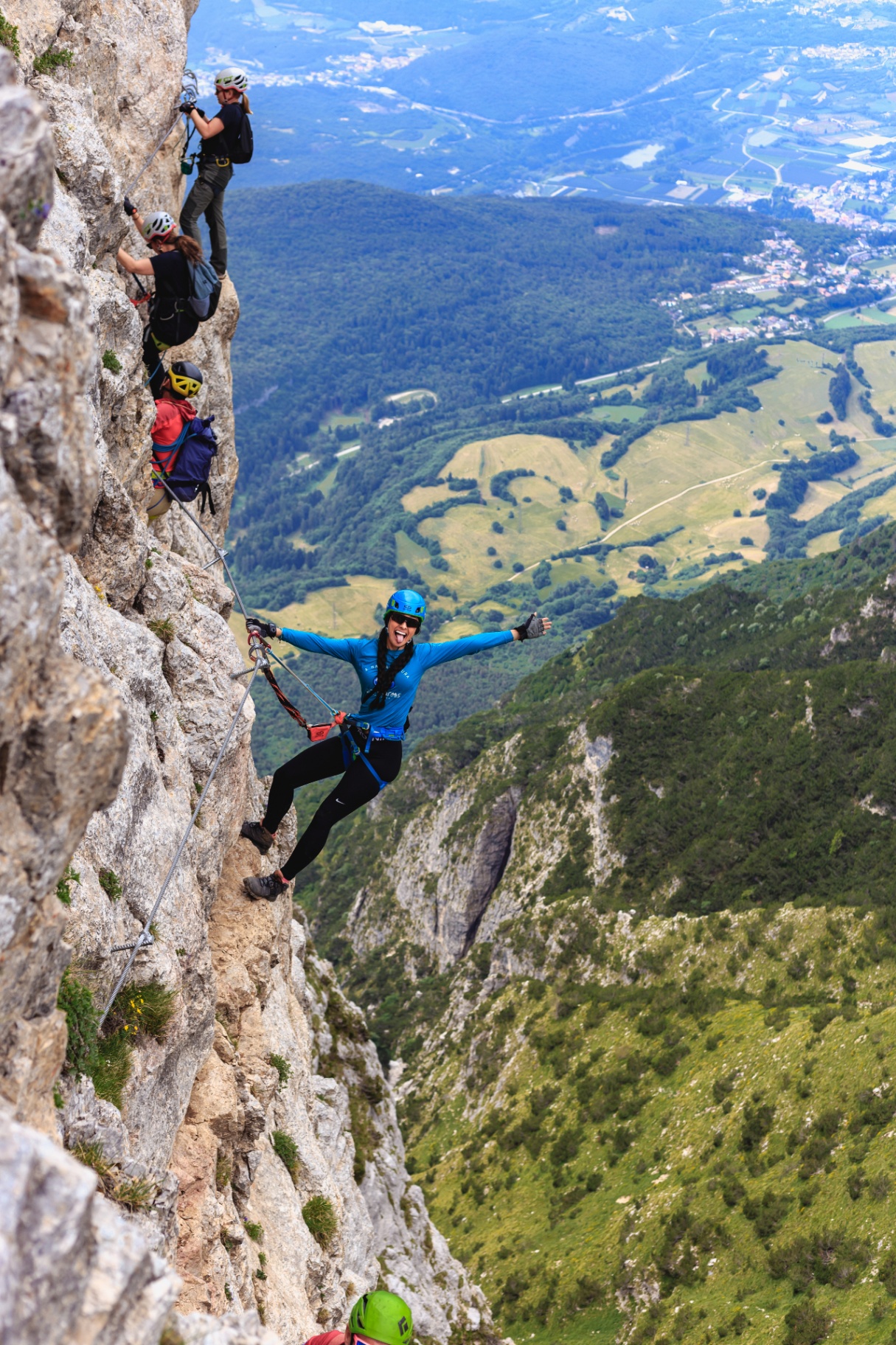
Breathing, the free "superpower"
Learn to breathe through your nose, rhythmically. On ascents, breathe in three counts (inhale-inhale-long exhale). It sounds simple, but it's what separates "I arrived smiling" from "I dragged myself here." And it costs nothing.
Eating without stress
Seriously: no special diet needed. Eat real food in the weeks leading up to it, hydrate A LOT, and avoid doing food experiments the night before ("oh, I'm going to try this unusual dish tonight"). Trying new things is for DURING the trip, not the night before.
And what if you get stuck or struggle mid-trail?
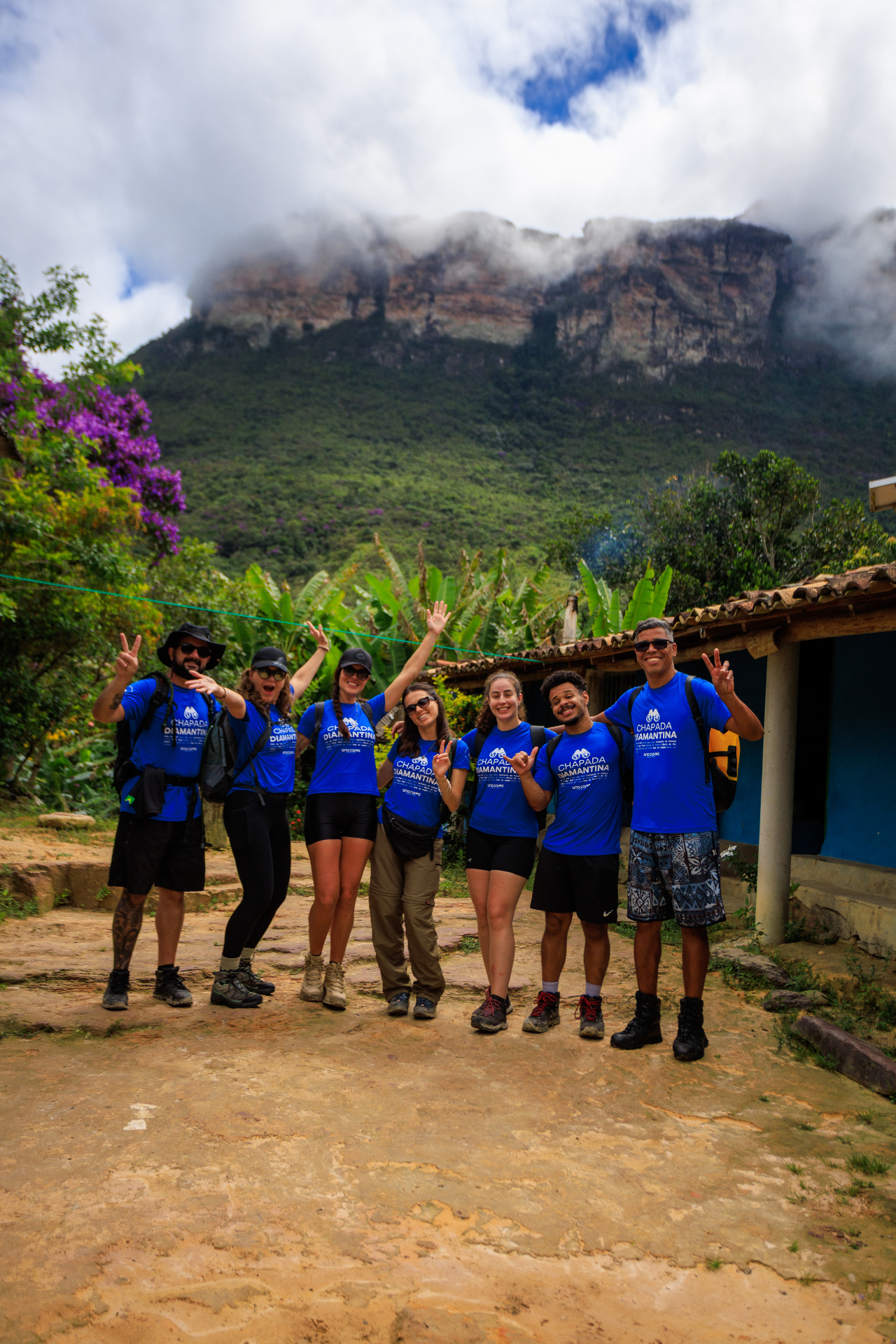
It happens. It's part of the journey. We always have guides matching the group's pace, respecting those who go faster and those who go slower. Nobody gets left behind, nobody is pressured. A trail isn't an exam.
To wrap up
Arriving with your body reasonably prepared transforms the whole experience. You'll reach the viewpoint and actually be able to BE there, breathing in the scenery, instead of thinking about knee pain.
If you have any questions about the level of each expedition, reach out on WhatsApp. We'll chat and help you choose the destination that fits where you are right now. No pressure, just care.
Body ready, mind open, that's how the magic happens
Ready to travel with us?
Check out the upcoming expeditions and choose the one that fits your moment.